
Dress Like You Mean Business: The Hidden ROI of Your Wardrobe
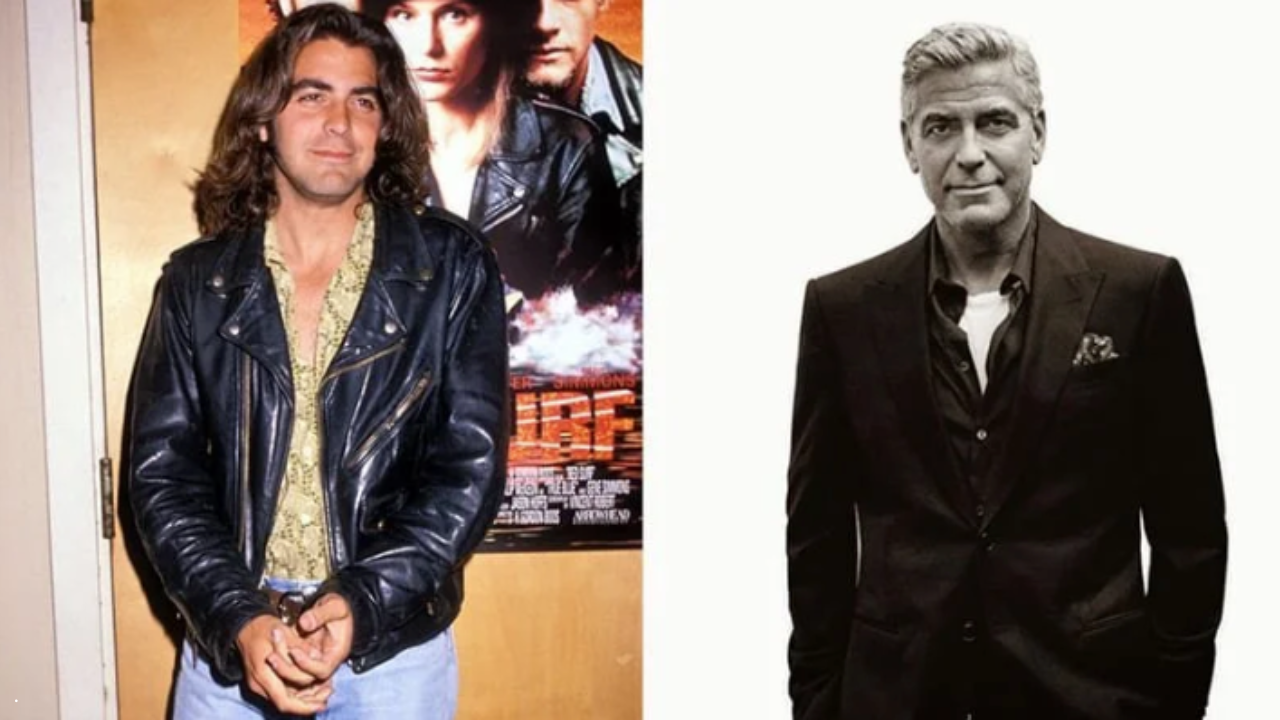
Nice clothes are a waste of money. Fancy watches are dumb. Fashion is pointless. Do a good job for people and none of that will ever matter.
That was my thought process as a 23-year old who just hit the top 2% of sales in the organization.
I came from a life of hand-me-downs from my cousins. The only clothes I had really ever bought myself were a few shirts from Hollister in college (I couldn't afford Abercrombie & Fitch).
A few years later, I'm working with C-level executives of Fortune 500 companies. We hire a new guy that, to this day, is still one of my closest friends. He was always "dressed to the nines" and had a much more professional aura than I did.
I was the better salesperson by numbers, but he got attention and respect throughout the organization and with his clients I didn't. That bugged me and I wanted to know why. Then, like a good friend does, he told me the truth...
"How you dress is a reflection of how serious you are as a person. Nothing about how you dress makes me think you're very serious about being a professional."
When you get hit with a truth bomb, even if you asked for it, the first initial reaction can be to be defensive. That's what I wanted to say. I was already crushing it at my job in my slightly-wrinkled $40 Express shirt! What did he know?
But he was getting invited to internal meetings and getting access to people I wasn't. So maybe there was something there. I had a choice to learn and be open to criticism or fall back into my comfort zone and blame the world for "missing out" on a guy like me.
Long story short...he was right. Over the next year, I...
- Bought nicer brand shoes (they lasted longer than the cheap ones too)
- Got a unique all-black $600 Movado watch that became quite the conversation starter
- Refused to go longer than 2 weeks without a haircut (despite not having a lot)
- Spent about $2500 to level up my pants and shirts while adding some sports coats
There's an old saying that goes "clothes maketh man". It's a real effect. Immediately, I FELT more serious as a professional. Girls noticed me more (I was single then so that was nice). Management started inviting me to meetings. Clients acted different probably because I acted different.
The reality is that before you say a word, your clothes are already talking.
And that talk? It influences how much people believe you deserve, how much they trust you, and, you guessed it, how much they’ll pay you.
First Impressions Aren’t Optional
Studies show that a massive portion of what people infer about you comes from how you show up, not what you say.
According to one source, “communication is 55% non-verbal, 38% vocal, and only 7% the words you speak.”
Think about that. Your clothes, posture, and expression can carry more weight than your carefully rehearsed pitch.
Your Outfit = Your Silent Salesman
Clothes are non-verbal communication at its finest. They tell people: I belong here. I’m serious. I invest in myself.
Take Neil Patel, for example. One of the most well-known marketers today. He openly says his decision to dress up (designer clothes, high-quality shoes, nicer watches) made a difference in his business meetings.
He noted that once he showed up looking like he already belonged in the big leagues, “people who want to work with me” started showing up too.
He even spent roughly $162,000 on clothes and attributed that wardrobe shift to almost $700,000 in revenue.
That’s right. Your wardrobe isn’t fashion fluff...it can be a business decision.
Your Vibe Attracts Your Tribe
This isn’t about overdressing. It’s about alignment. Your look should match your message.
A plumber showing up in a three-piece suit? That’s not impressive — that’s suspicious. But a plumber in a clean, branded black polo, pressed work pants, clean hands, and a washed face? That’s credibility. That’s professionalism that fits the job.
You don’t need luxury to look put together. You just need consistency. The goal isn’t to intimidate but to communicate that you take your craft seriously.
When you look the part, you attract the people who play at that same standard. Because your vibe always attracts your tribe.
How Dressing Better Can Boost Your Earnings
-
Increase perceived value. When you look like you charge big, clients believe you do.
-
Command more respect. When someone meets you and your presentation says “pro,” you start from a higher baseline.
-
Reduce friction. Less time spent proving you’re legit, more time closing deals.
-
Confidence boost. Dress for the outcome you want, not the income you have. When you feel it, you act it.
Quick Checklist Before Your Next Meeting
-
Is my outfit clean, pressed, and aligned with the room I’m walking into (not the room I came from)?
-
Do I look like the person who deserves the fee I’m asking?
-
Are my shoes, belt, and watch (if any) consistent with the rest of the look?
-
Does my posture and facial expression match the “successful professional” I want to be?
Why You Should Stop Ignoring This
Ignoring how you present yourself is like showing up to a gun fight with a water pistol.
You might have the skills, but you lose the first round before the handshake. The study on first impressions found that “many first impressions from faces are rooted in adaptive reactions to appearance cues”, not what you say.
People decide fast. Your look is the headline. Your words fill in the body.
The Real Cost of Cheaping Out
When you show up under-dressed or sloppy:
-
You undervalue yourself without realizing it.
-
You give your competitors a reason to look better.
-
You spend more words convincing rather than selling.
-
You lose time and momentum.
Imagine you could spend $500 on smart outfits and earn an extra $5,000 in deals because you looked the part.
That’s a 10x return. Maybe more. That $500 becomes a smart investment, not a vanity cost.
Would you listen to a financial advisor that shows up in a broke down car, basketball shorts and a t-shirt? In a world that likes to pretend it doesn't judge while simultaneously judging and labeling everything, we have to be honest about the reality of how humans work.
The Bottom Line
How you dress isn’t superficial. It’s strategic.
Your wardrobe is one of your fastest-acting ROI tools because it works before you say a word.
If you show up looking the part, you shorten the trust curve, raise the stakes, and open doors faster.
Because at the end of the day: clothes don’t just make the man...they signal the standard.
Stay connected with news and updates!
Join the Lifebuilder Newsletter and get updates on new videos, articles and upcoming events.
We hate SPAM. We will never sell your information, for any reason.
